Westminster
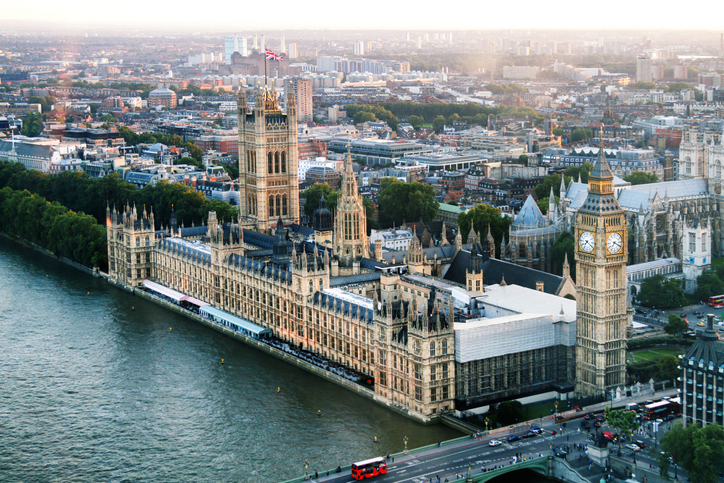
Palace of Westminster & Big Ben
The seat of Parliament since the 11th century, with the Elizabeth Tower — Big Ben's actual name — chiming over the Thames since 1859.

Royal history, world-class theatre, and a skyline rebuilt one century at a time. Here's where to stay, what to see, and where to eat — no stock photography, just the real thing.
London runs east to west along the Thames — Big Ben and Westminster giving way to the dome of St Paul's, the fortress walls of the Tower, and the crowds of Trafalgar Square. It's a city built for walking, with a hotel scene anchored by a handful of names that have been hosting royalty, and everyone else, for well over a century.
This guide covers the landmarks travelers actually cross off, the hotels worth the splurge, and a short, honest list of where to eat in between.
Prefer another search engine? Kiwi.com →
From the Elizabeth Tower to the glass floor of Tower Bridge — the sights that anchor a first visit, and a couple that locals still send you to.
The seat of Parliament since the 11th century, with the Elizabeth Tower — Big Ben's actual name — chiming over the Thames since 1859.

Coronations since 1066, royal weddings, and the graves of seventeen monarchs — right next door to Parliament, but a different building entirely.

The classic postcard angle — cross Westminster Bridge on foot, or catch it from a passing boat for the same view without the crowds.

The King's official London residence. You can't go inside most of the year, but the gates, the memorial, and the crowds are a scene on their own.
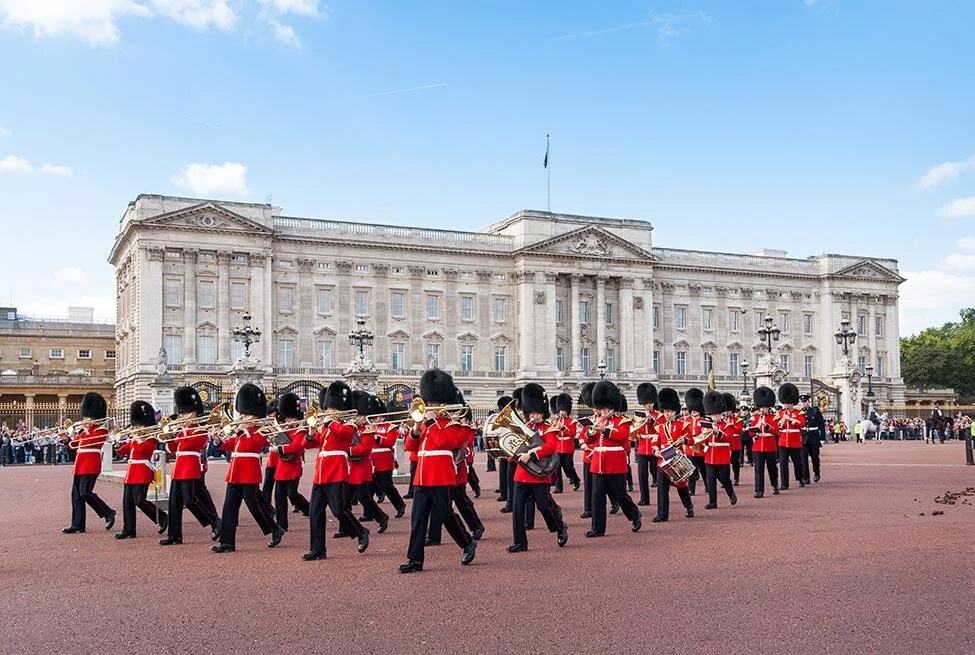
Usually 11am, alternate days — check the schedule before you go, since it doesn't run daily in the colder months.
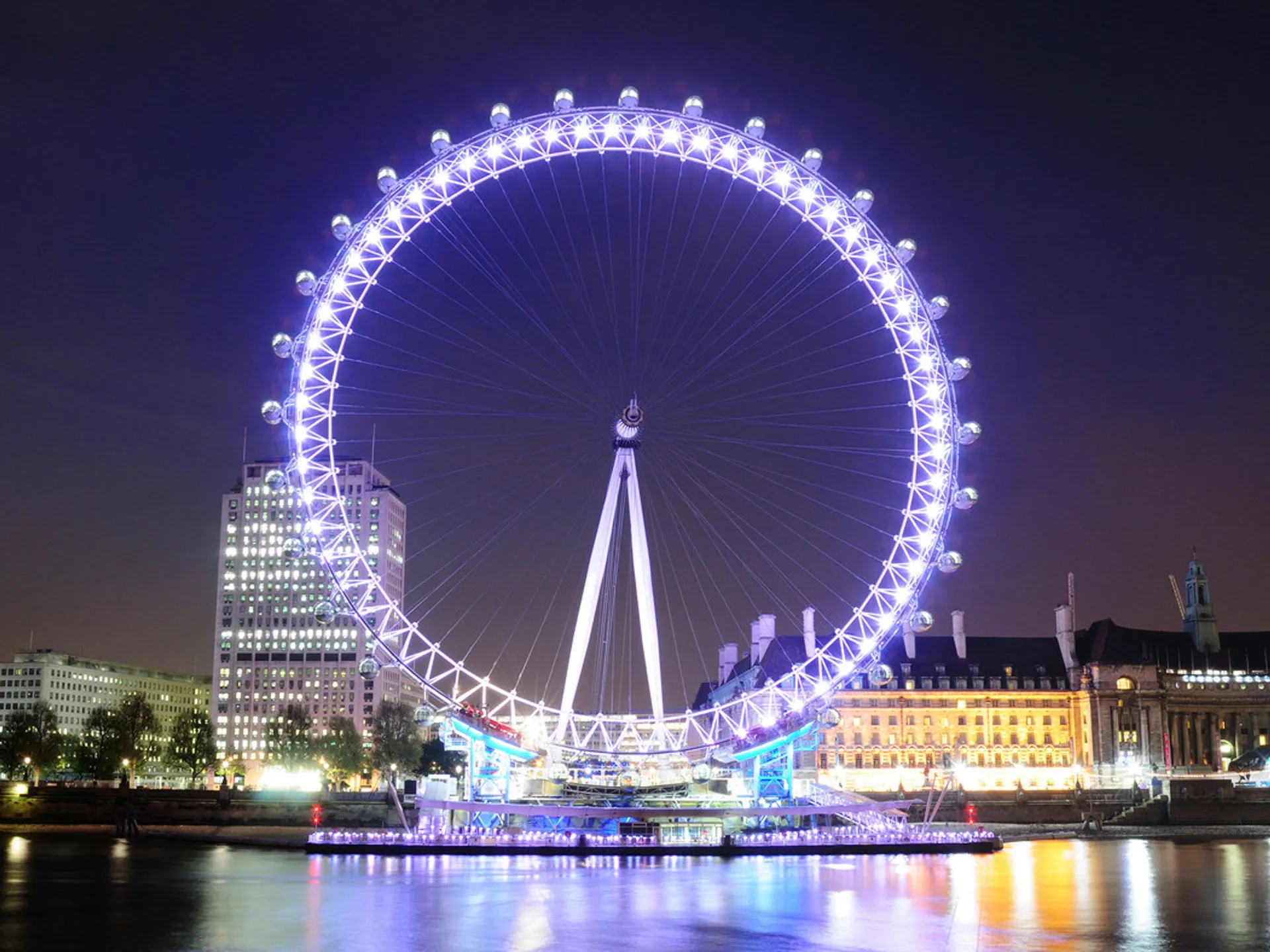
135 metres up, one slow half-hour rotation — book a sunset slot if you can, when the whole city turns gold.

Each glass pod holds up to 25 people, so it's less private than it looks in photos — still worth it for the view over the Thames.
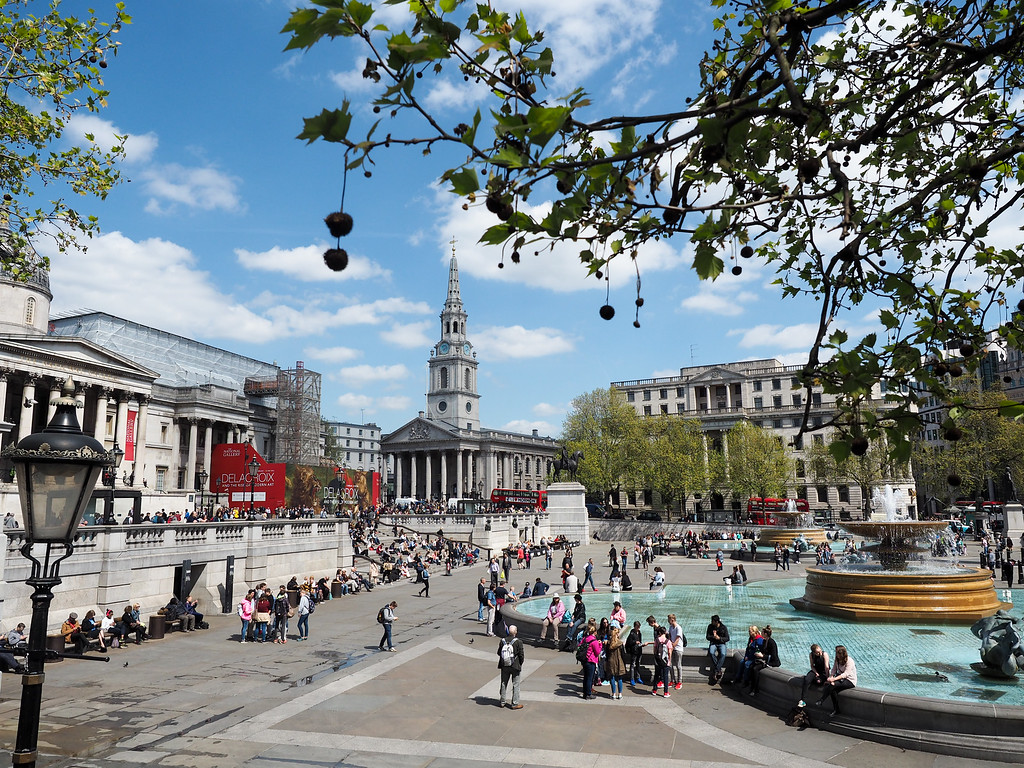
Nelson's Column, the fourth plinth's rotating art commission, and the National Gallery steps — London's unofficial town square.
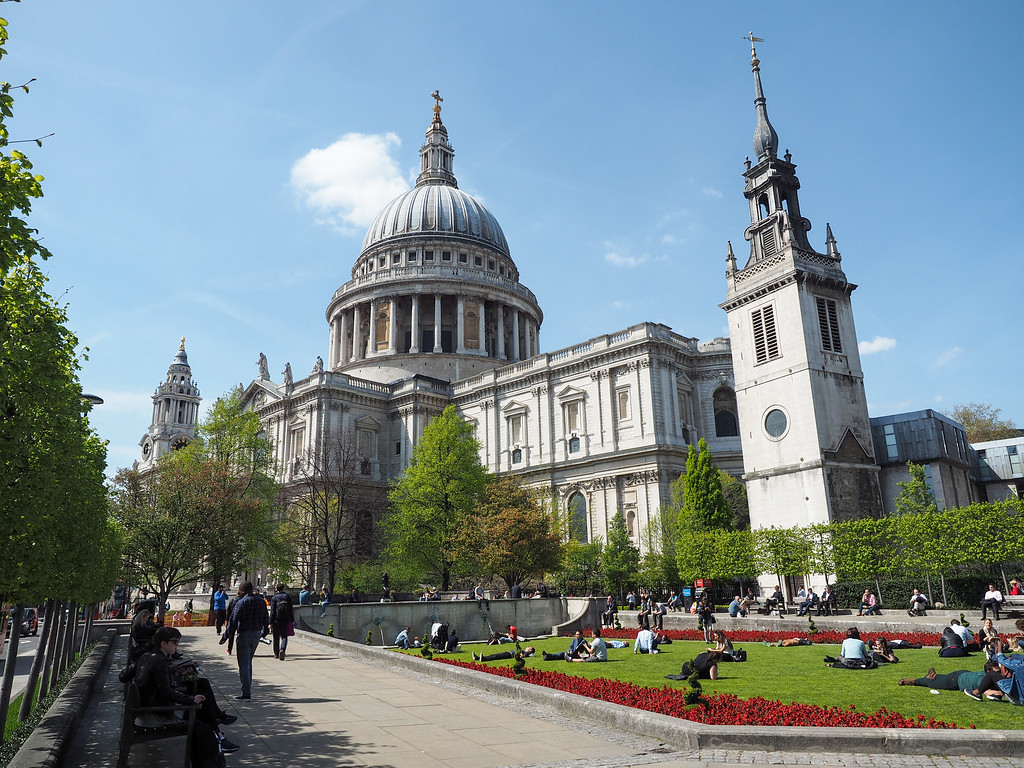
Christopher Wren's dome has watched over the City since 1710. Climb to the Whispering Gallery if you don't mind 257 steps.

Still a working bascule bridge — check the lift schedule online if you want to see it split in two for a passing ship.

43 metres up, looking straight down through the floor to the traffic below. Not for the faint of stomach.

Nine centuries of royal history and the Crown Jewels, guarded by Beefeaters who still live on-site.
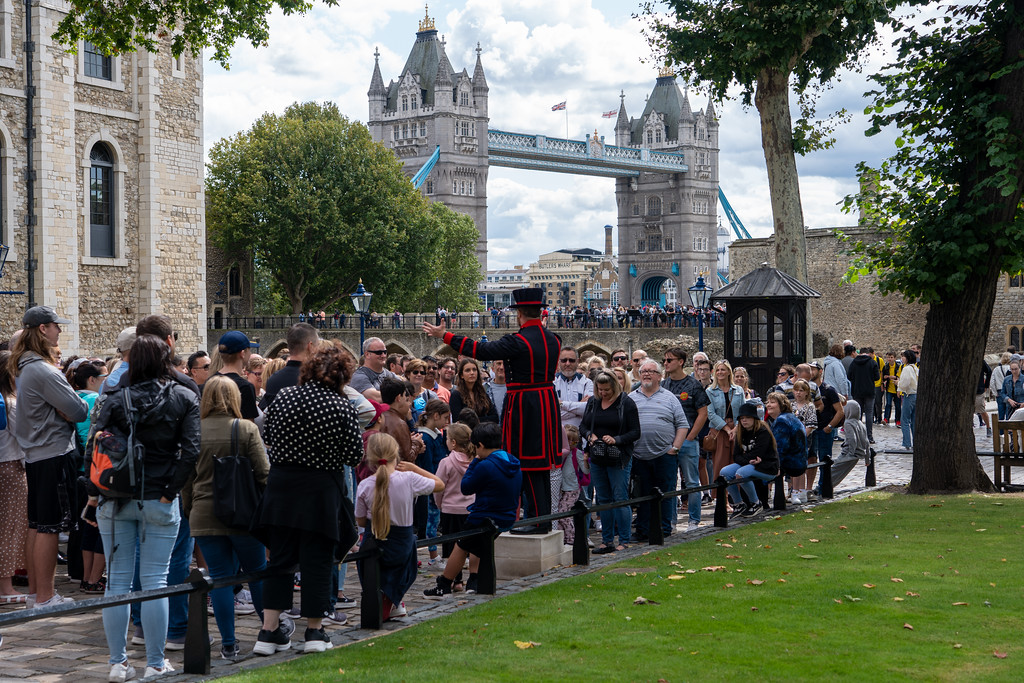
Free with entry, and worth timing your visit around — the Yeoman Warders' tours are equal parts history lesson and stand-up routine.
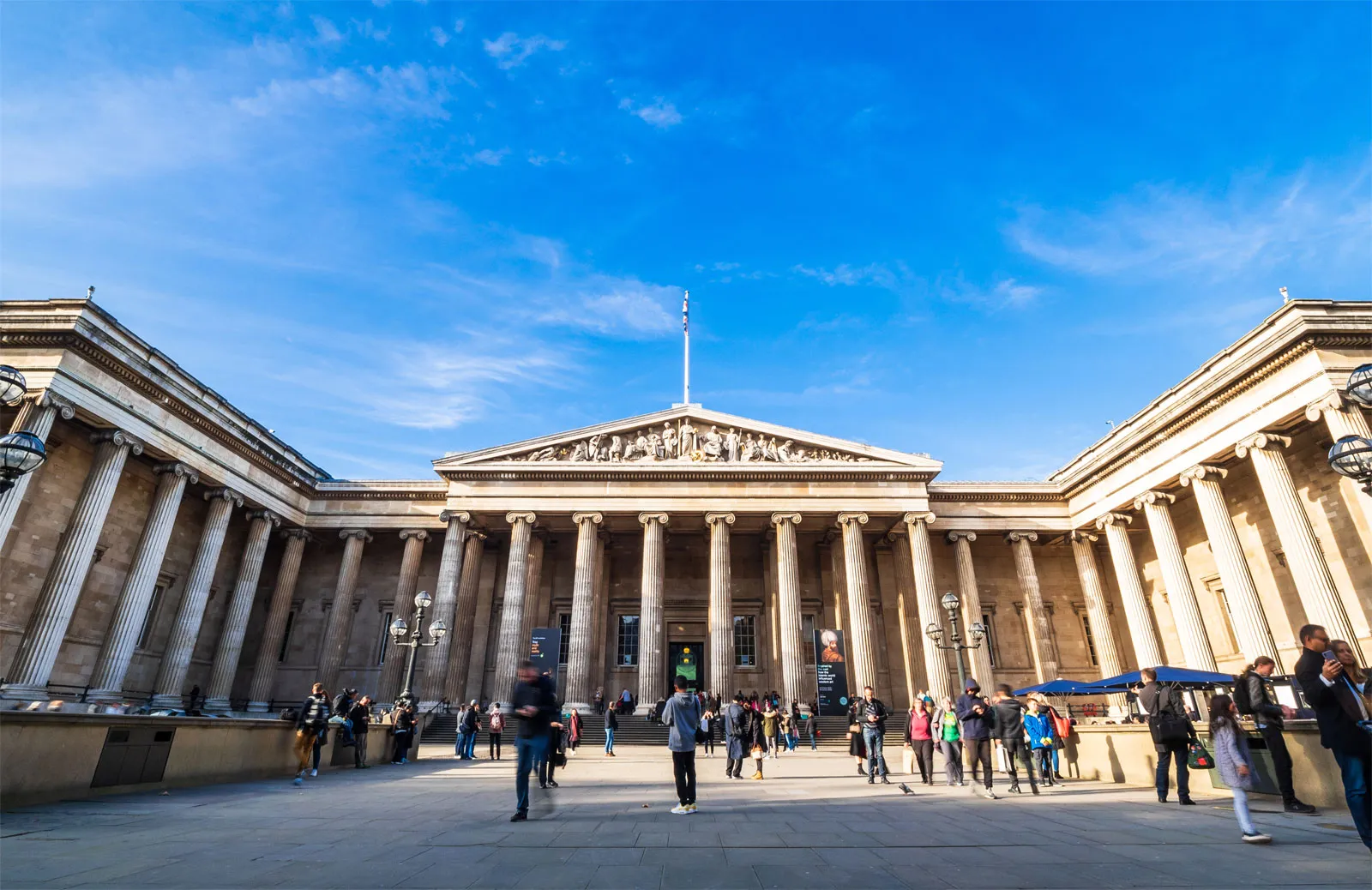
Free entry, eight million objects, and the Rosetta Stone. Pick two or three galleries rather than trying to see it all in one go.
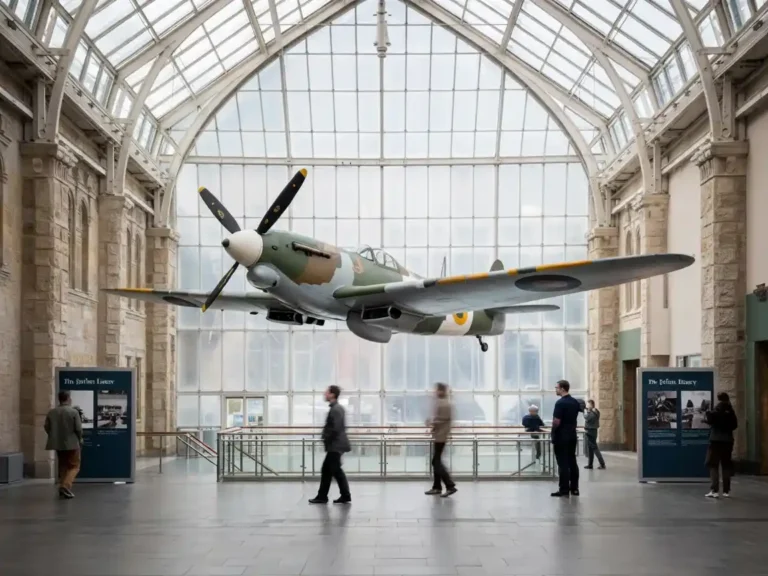
A Spitfire hangs in the atrium; the galleries below cover conflict from the First World War to today. Free to enter.
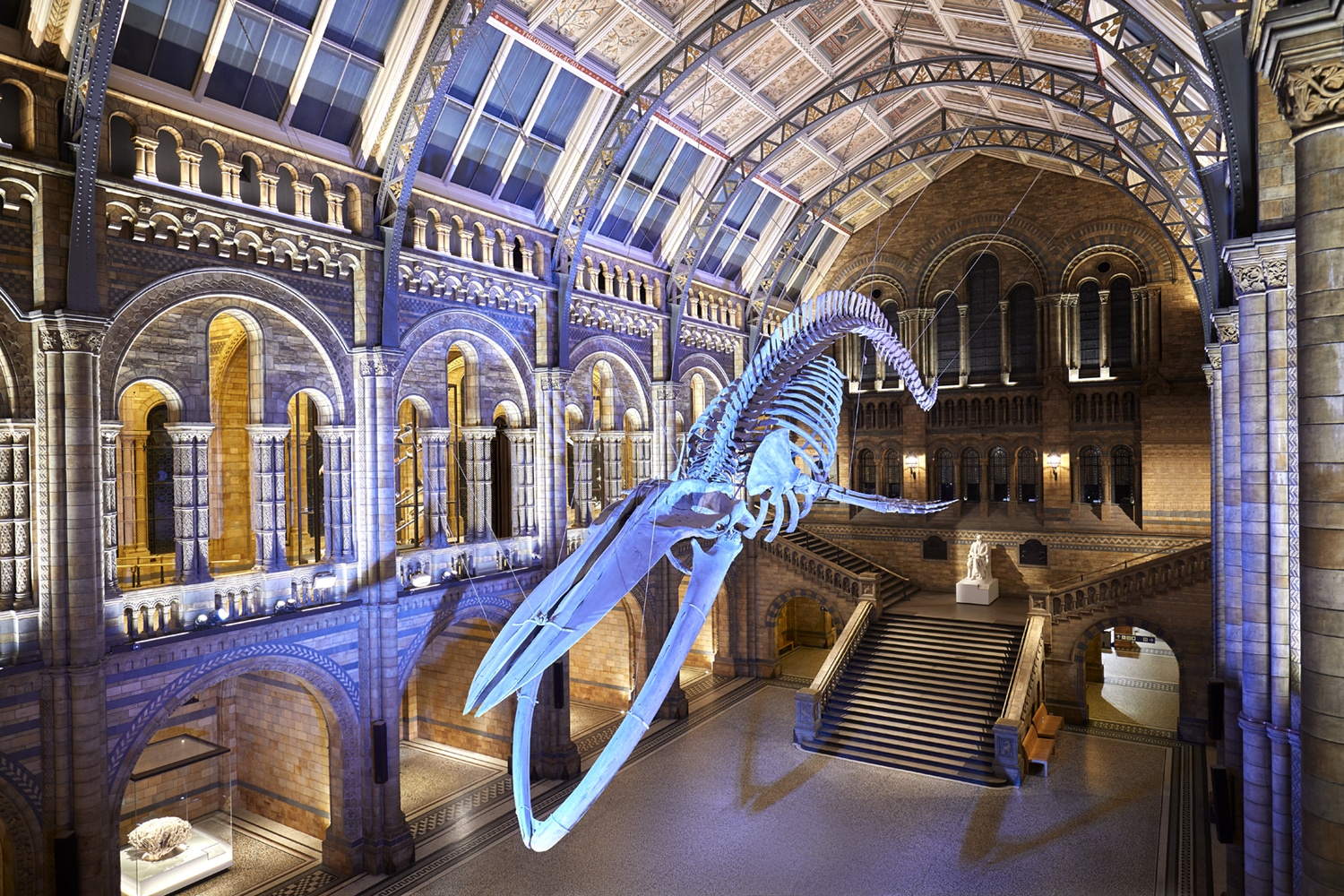
"Hope" the blue whale skeleton hangs over the main hall — one of the most photographed ceilings in the city, and free to visit.

Market stalls, vintage shops, and the canal — Camden's the least buttoned-up part of central London, and it shows.

London's oldest food market, under a Victorian iron roof. Go hungry, skip breakfast, and graze your way through.

Free to visit if you book ahead — three floors of gardens and a 360° view from inside the "Walkie-Talkie."
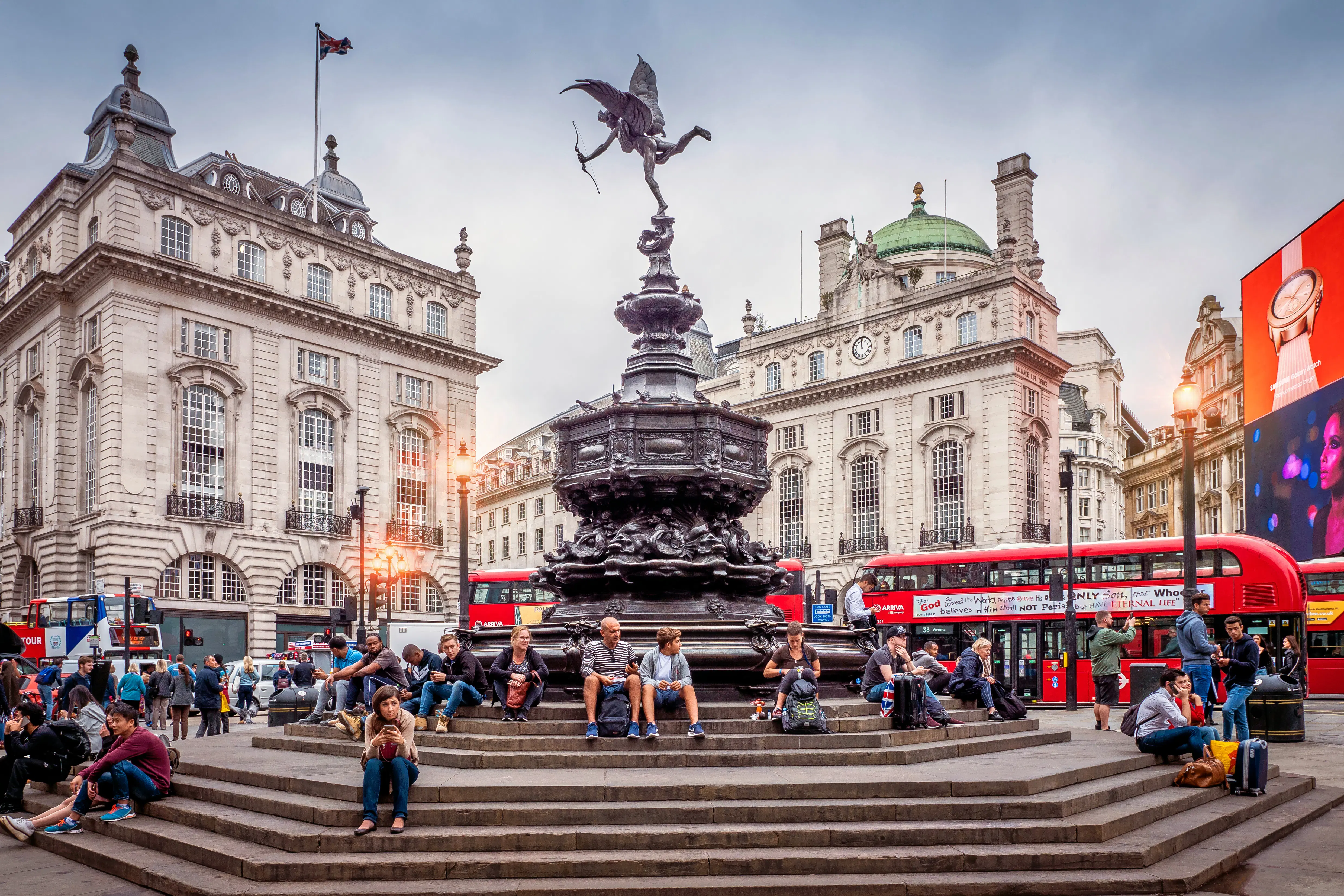
Neon screens, the Shaftesbury Memorial Fountain, and the gateway to Soho and the West End theatres.
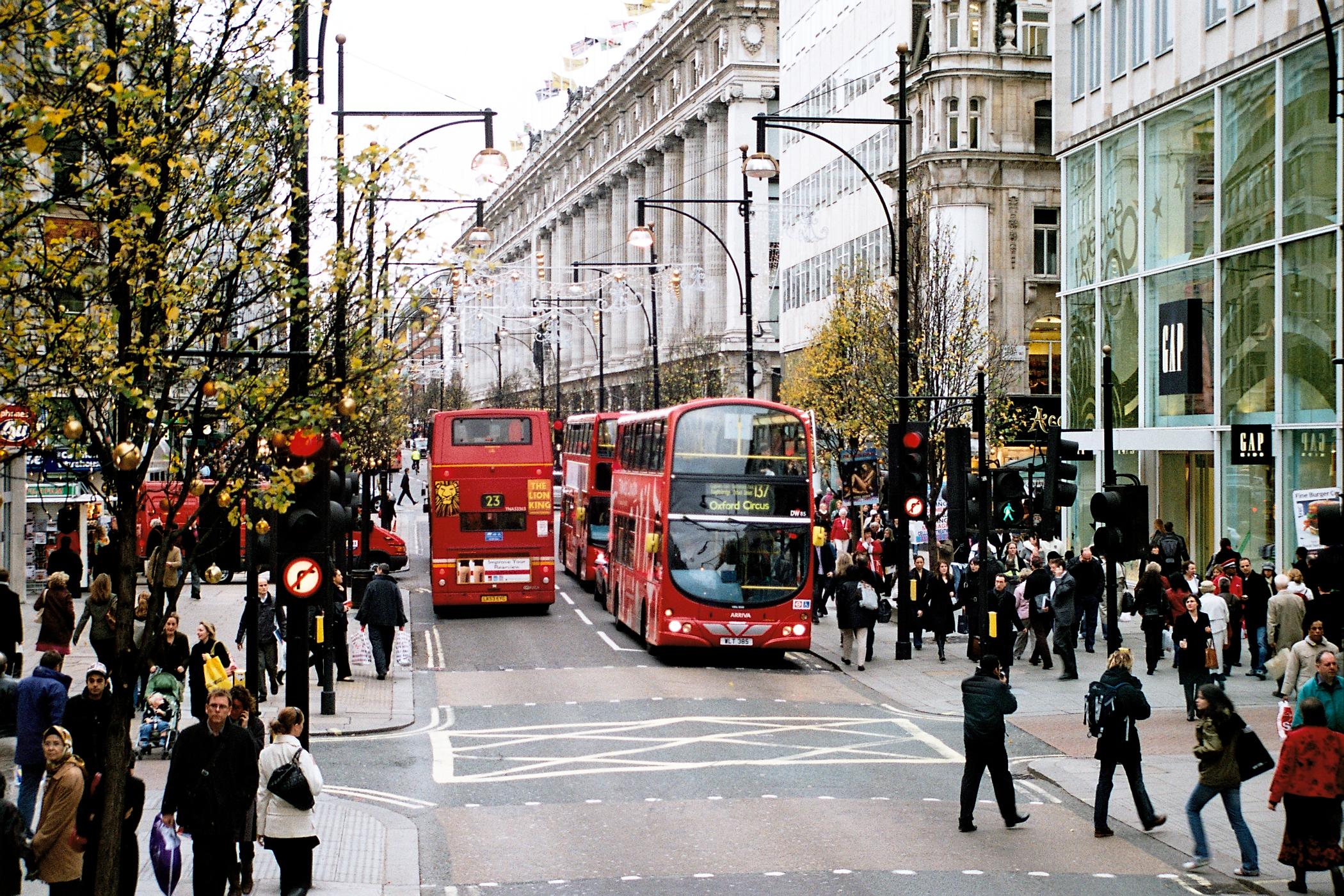
1.5 miles of flagship stores, from Selfridges to the high street names — best tackled on a weekday morning.
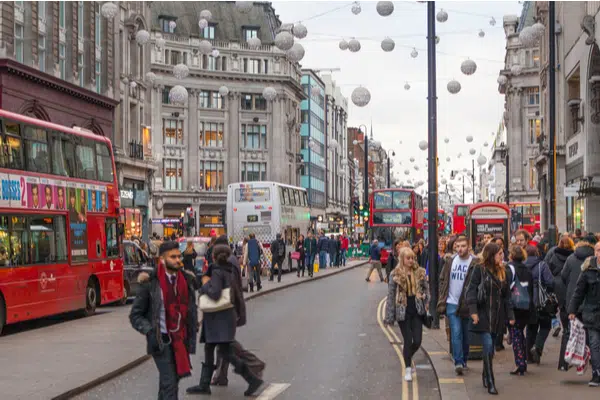
The Christmas lights switch-on turns the whole street into an event — come back after dark from late November.
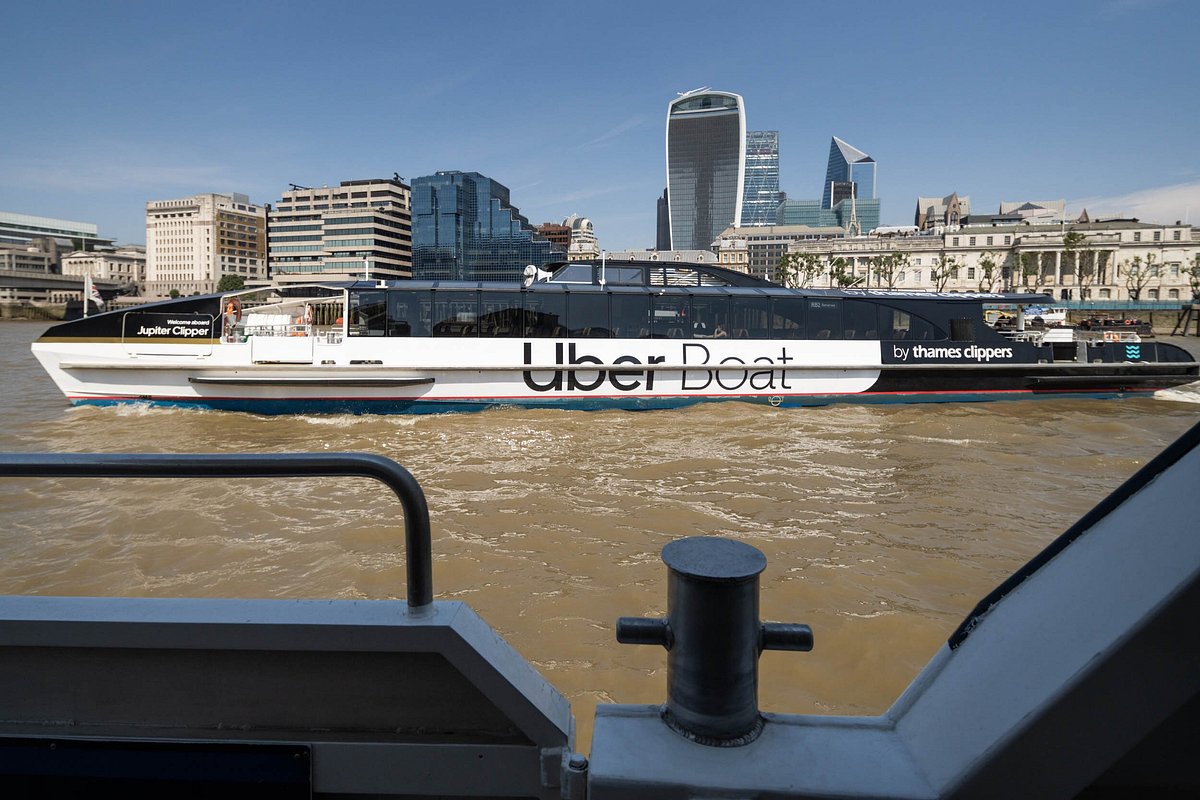
The fastest way between the Tower, the South Bank, and Greenwich — and considerably cheaper than a sightseeing cruise.

Tower Bridge and the Shard both light up after sunset, and a handful of operators run evening cruises past them. It's a quieter, cheaper way to see the skyline than most of the paid viewpoints — and the photos hold up better than you'd expect.
350 hectares in the middle of the city — enough space for a proper walk, a rented rowboat, and a rose garden all in one visit.


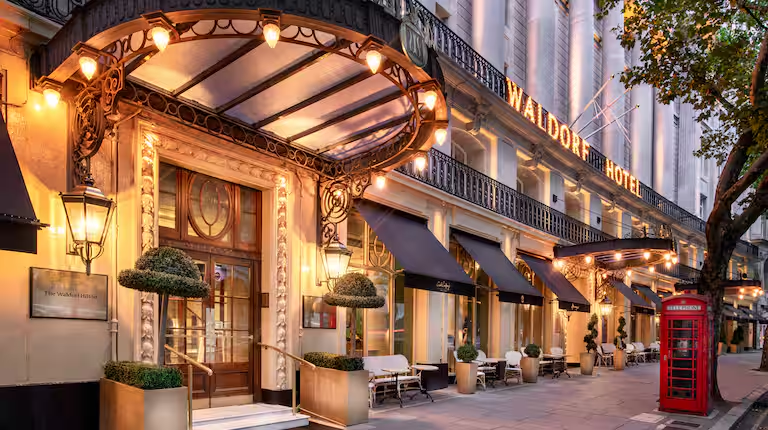
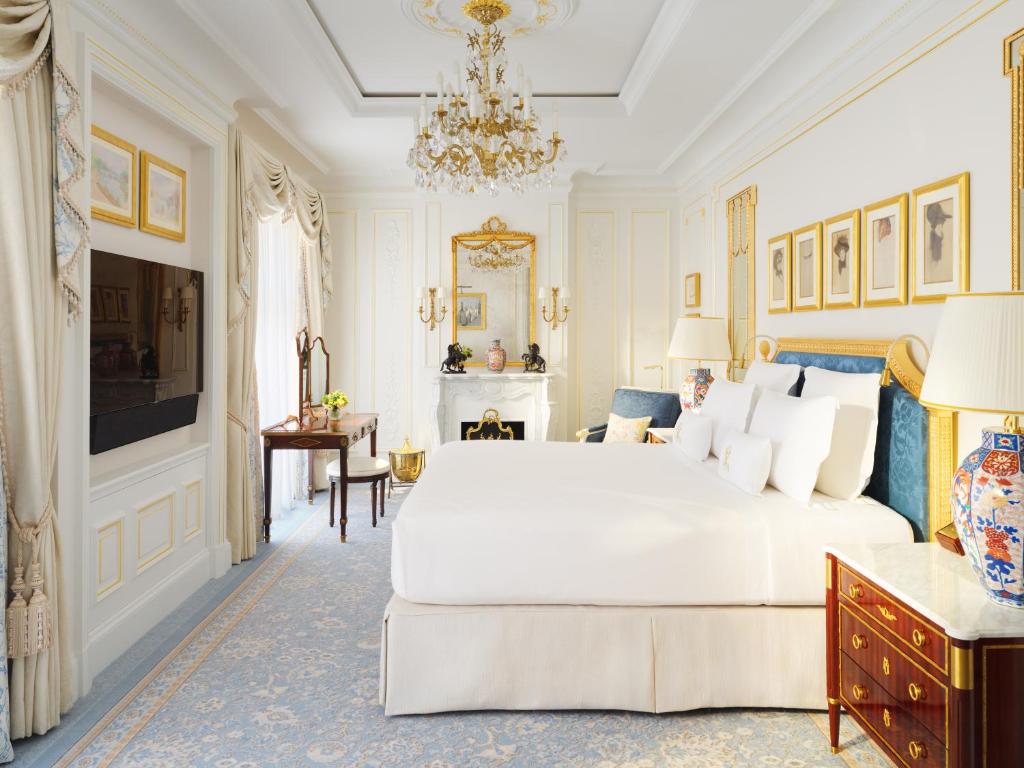
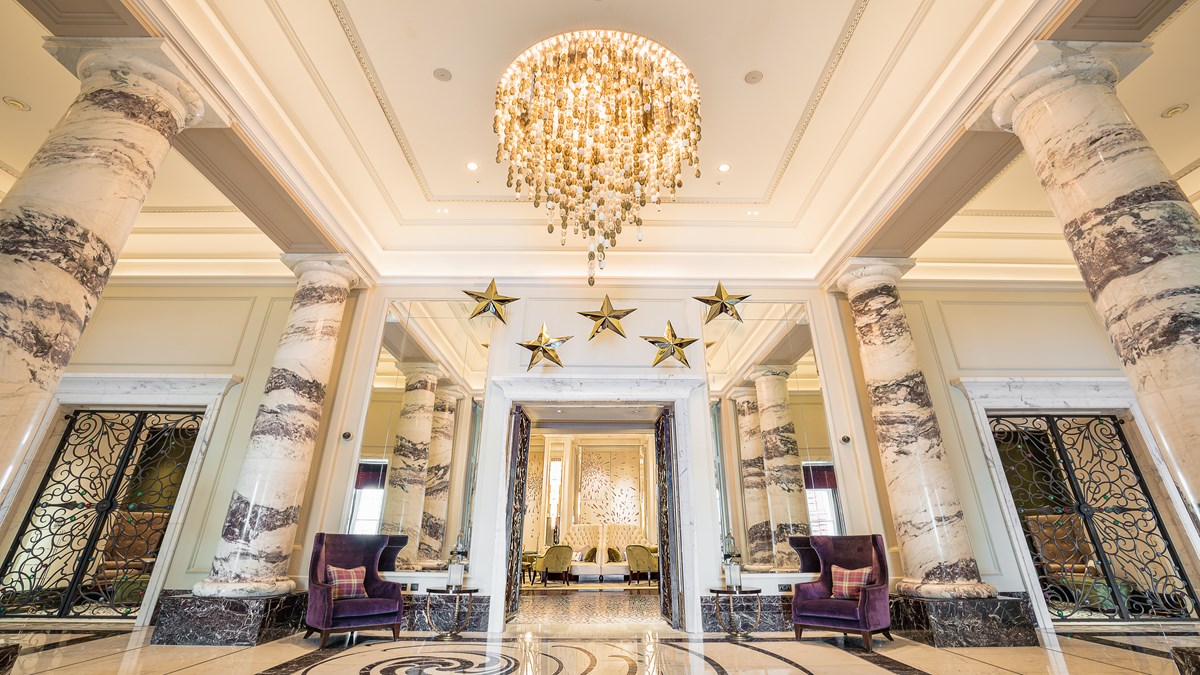
From an Art Deco theatre entrance to a chandeliered lobby opposite the BBC — we track rates across the names that come up again and again.

The Waldorf Hilton's glass-roofed ballroom is one of the most-booked wedding and event spaces in central London. If a date matters to you, get in early — good weekends fill more than a year out.
London's dining scene is enormous — these are the four we'd send a first-time visitor to, across a few different price points and moods.

Gordon Ramsay's take on the Savoy's Art Deco dining room. Leather booths, a menu that leans classic British, and Beef Wellington for two.

Tandoor-fired sharing plates a few minutes from Trafalgar Square. Order more naan than seems reasonable — everyone does.

Chandeliers, a glass atrium, and a tea list nearly as long as the sandwich menu. Book two to three weeks ahead.

Wolfgang Puck's steakhouse inside the Dorchester Collection. Dry-aged beef, a serious wine list, and a room that stays lively late.
Most international flights land at Heathrow (LHR), about 22km west of central London. Gatwick, City, Stansted and Luton handle the rest, depending on the carrier. We compare fares across the airlines that actually fly the route, so you're not stuck with one option.